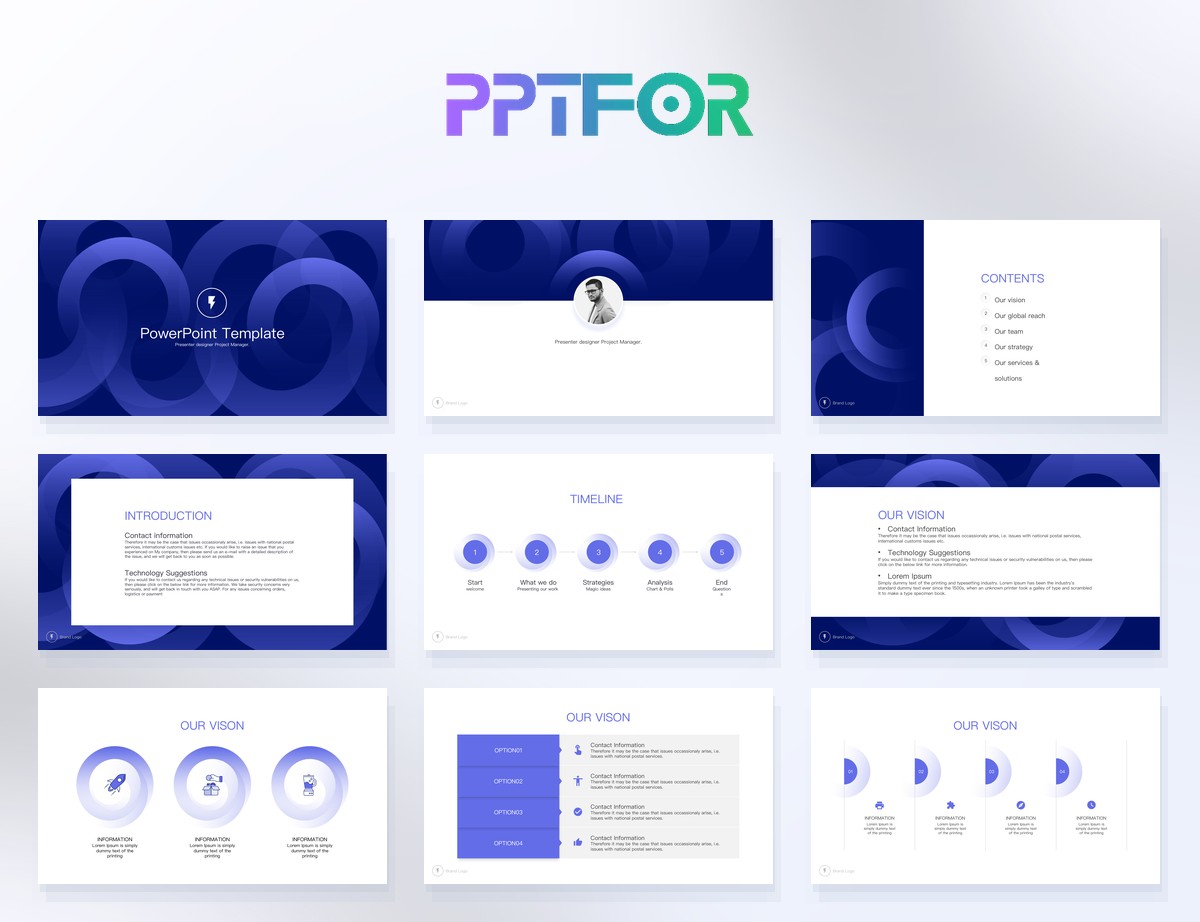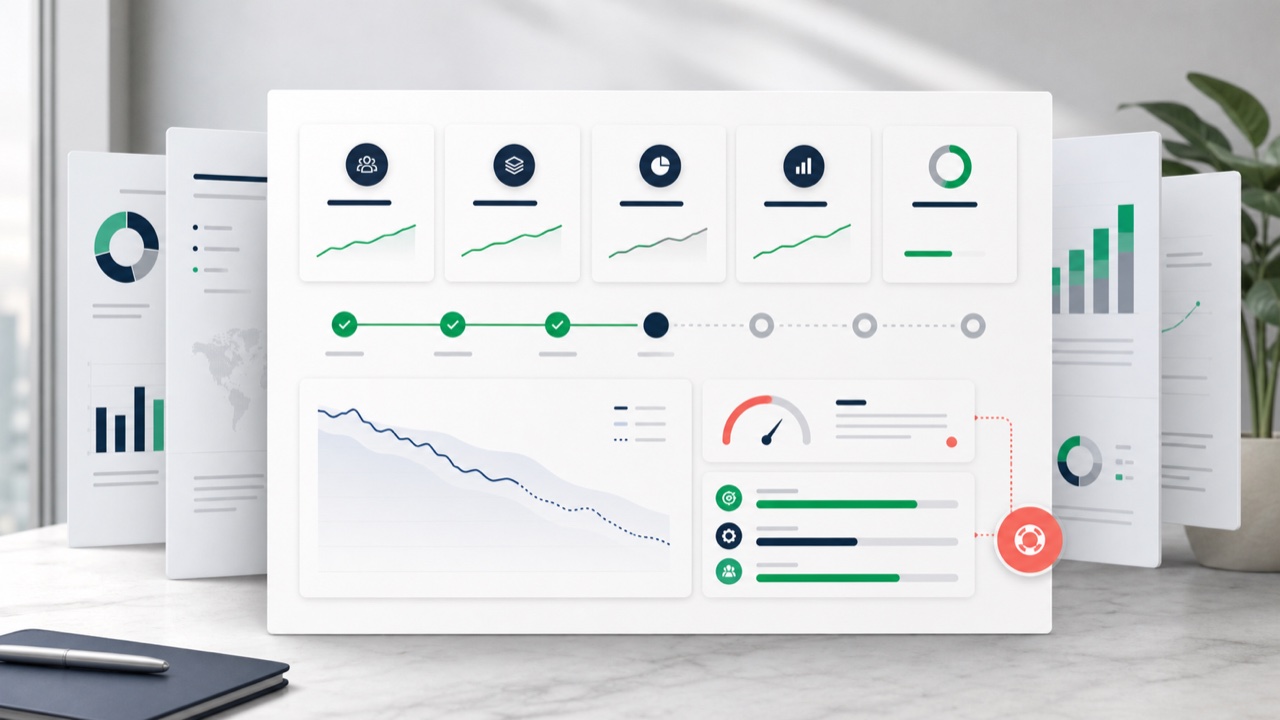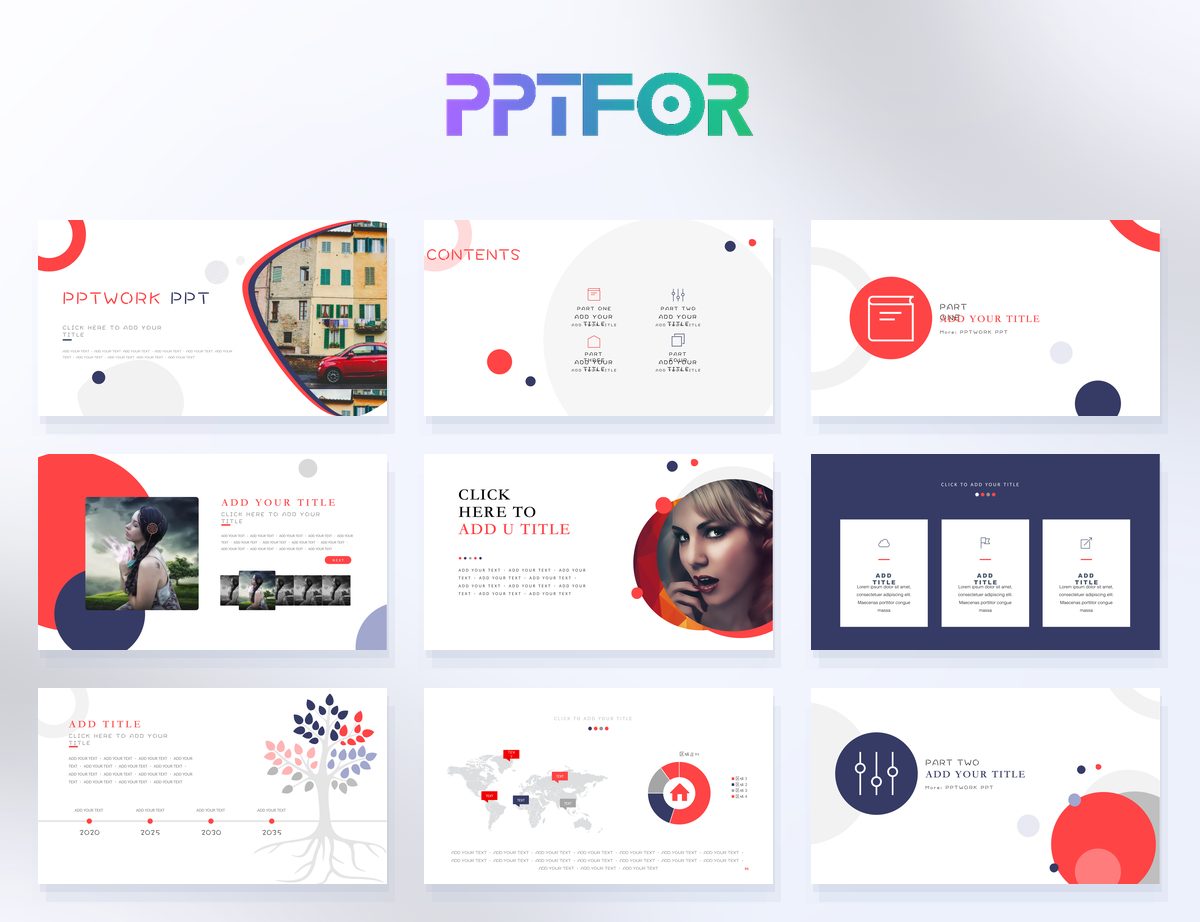
Pitch-Deck-powerpoint-templates

How To Create A Startup Pitch Deck: Slides, Structure, And Investor Readiness

A well‑structured pitch deck helps early‑stage startups communicate their vision, market, and model to investors, partners, and stakeholders. It’s not just about design; it’s about how clearly you tell your story.

In this guide, you’ll learn:

  • Why early‑stage startups need a clear pitch deck
  • The standard pitch deck structure for investors
  • How to choose the right PowerPoint template for your startup
  • Common mistakes in early‑stage pitch decks
  • How to turn your template into an investor‑ready presentation

If you already have a template, you can skip to the step‑by‑step instructions or the FAQ at the end.

Why Early‑Stage Startups Need a Clear Pitch Deck

For investors, your pitch deck is how they first judge your business model, team, and potential. A messy or confusing deck can make even a strong idea look weak.

A clear startup pitch deck helps you:

  • Explain your problem and solution in one glance
  • Show how you plan to scale and generate revenue
  • Keep your message consistent across different meetings

Templates in the Pitch Deck Guides category are designed to support this kind of investor‑oriented structure.

The Standard Startup Pitch Deck Structure

Most successful pitch decks follow a simple 10–12 slide structure. You can adapt this for different audiences, but don’t radically change the core order.

1. Title Slide

Include:

  • Startup name and tagline
  • Your stage (e.g., “Seed stage startup”)
  • Round you’re raising (if any)
  • Your name and contact info

Make this slide clean and memorable.

2. Problem

Explain the problem clearly and in relatable terms:

  • Who is the target customer
  • What pain they experience
  • Why existing solutions don’t solve it well

3. Solution

State how your product or service solves the problem:

  • Core features and benefits
  • How users actually use it
  • Why your approach is different or better

4. Market Opportunity

Show the size and direction of the market:

  • Total addressable market (TAM)
  • Serviceable addressable market (SAM)
  • Market trend and growth

5. Business Model

Explain how you make money:

  • Revenue streams
  • Unit economics or pricing tiers
  • Customer acquisition channels

6. Traction

Show progress and validation:

  • User growth, revenue, or engagement metrics
  • Partnerships, pilots, or early customers
  • Any key milestones achieved

7. Competitive Landscape

Be honest and clear:

  • Main competitors
  • Your key differentiators
  • Any defensible advantages (IP, network, data, etc.)

8. Team

Investors back people as much as ideas:

  • Key founders and their relevant experience
  • Advisors or partners
  • Why this team is uniquely positioned

9. Financial Highlights

Keep it simple and focused:

  • Revenue and expense trends
  • Key assumptions
  • Summary of capital needs

10. Use of Funds & Ask

Make your request clear and reasonable:

  • How you plan to use the investment
  • Amount you are raising
  • What stage you’ll reach with that capital

11. Vision / Roadmap

End with a compelling future:

  • 3–5 year vision
  • Key milestones you plan to hit
  • How you plan to scale

12. Contact / Q&A

Make it easy for investors to follow up:

  • Your name and role
  • Email, LinkedIn, and website
  • A simple “What would you like to discuss next?” prompt

How to Customize a Pitch Deck Template

A good pitch deck template gives you structure and layout, but you still need to adapt it to your specific story.

1. Start with your narrative

Write out each slide in plain text before you open the template. This keeps your story clear and avoids dumping random data onto slides.

2. Replace every placeholder

Update names, numbers, and visuals so they match your startup. Use your real market data, not generic examples.

3. Simplify charts and tables

Limit each slide to one or two key metrics. Avoid complex charts that need long explanations.

4. Keep branding consistent

Use your startup’s logo, colours, and fonts across all slides. This reinforces your brand in investors’ minds.

5. Test it with non‑founders

Show your deck to someone who doesn’t know your business and ask them to sum it up. If they can’t, simplify further.

Templates from the PPTFOR downloads library are built to support this process, so you can focus on the story instead of layout.

Step by step: How to turn a template into an investor‑ready pitch

  1. Write your slide‑by‑slide narrative – Draft each slide as a short paragraph to make sure your story is clear.
  2. Choose a pitch‑focused template – Pick a template that already has sections like Market, Traction, and Financial Highlights.
  3. Import your data and visuals – Copy your charts, revenue trends, and user growth into the template.
  4. Customize colours and fonts – Update the slide master to match your brand and keep the layout clean.
  5. Shorten every slide – Use 3–5 bullets per slide and avoid dense paragraphs.
  6. Rehearse out loud – Present the deck from start to finish without notes, then cut or simplify anything that feels forced.
  7. Export and share – Save as both `.pptx` and `.pdf`. Keep the `.pptx` for internal edits and the `.pdf` for investors.

Frequently asked questions

How many slides should a startup pitch deck have?

Most successful pitch decks are 10–12 slides long. You can adapt the structure slightly, but avoid going much longer, since investors often have limited time.

What should a pitch deck include for early‑stage startups?

Focus on Problem, Solution, Market Opportunity, Business Model, Traction, Team, and Your Ask. Keep it simple, clear, and data‑driven without overloading each slide.

How can I make my pitch deck more investor‑friendly?

Use a clean template that matches your brand, keep text short, show key metrics with simple charts, and end with a clear ask. Templates in the PPTFOR downloads section are designed to support this investor‑focused style.

Should I reuse the same pitch deck for different investors?

You can reuse the same core structure for different investors, but you should tailor the story slightly depending on their interests. For example, highlight different metrics or use cases for each audience.

Avatar

  May 15, 2026   Pitch Deck Guides

...

Post a Comment

No Comments

Related Items

Vibrant Red Fintech Business PowerPoint Template
Business Report Presentations Best PowerPoint Templates for Quart
pptfor 15 May, 2026
Investor-ready pitch deck presentation with startup growth chart
Pitch Deck Guides How to Create a Pitch Deck That Get
pptfor 19 May, 2026
How to Choose the Best Annual Report PowerPoint Template for Finance Teams
Business Report Presentations How to Choose the Best Annual Repor
pptfor 15 May, 2026

Get all products for only $29!

Get full access to our entire collection of premium PPT templates for one simple price.
Forget about complex tools or technical skills—just choose, edit, and download.