 Get full access to premium PowerPoint templates at a limited-time price.Get Now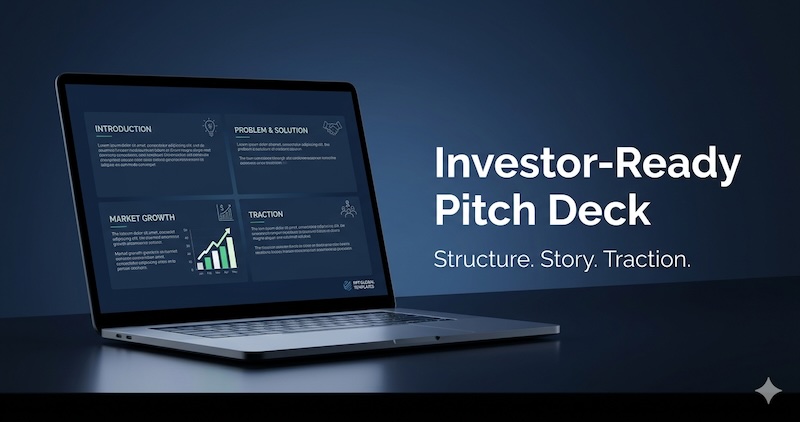
A strong pitch deck does one job extremely well: it helps investors understand your business quickly. In just a few slides, you need to explain the problem, your solution, the size of the opportunity, and why your team is the one that can make it happen.
The best decks are clear, visual, and easy to follow. They do not try to say everything. Instead, they focus on the few points that matter most to investors and make those points impossible to miss.
Most investors do not read pitch decks cover to cover. They skim. That means your deck needs to answer a few key questions almost immediately: What problem are you solving? Why is your solution better? Why now? And why are you the team to build this?
A good deck makes the business easy to understand at a glance. It should feel focused, credible, and specific. If your slides are packed with dense text or vague claims, you will lose attention fast.
A pitch deck works best when it follows a clear, familiar flow. You do not need to reinvent the wheel. In most cases, this structure is enough:
This order works because it moves from pain to proof. You start by showing the problem is real, then explain how you solve it, and finally show why the business can scale.
A pitch deck is not just a collection of facts. It is a story. And like any good story, it needs a clear point of view.
The strongest decks usually include one of these elements:
For example, instead of saying, “We improve workflow efficiency,” say something more concrete, like, “We help small teams turn a messy weekly reporting process into a 10-minute review.” That kind of language is easier to understand, easier to remember, and much more persuasive.
Not every slide matters equally. A few slides do most of the heavy lifting: the problem, solution, traction, market, team, and funding ask.
If you already have traction, make it visible right away. Revenue growth, user growth, customer logos, pilot results, or conversion rates can do a lot of work for you. These details turn your deck from a promise into evidence.
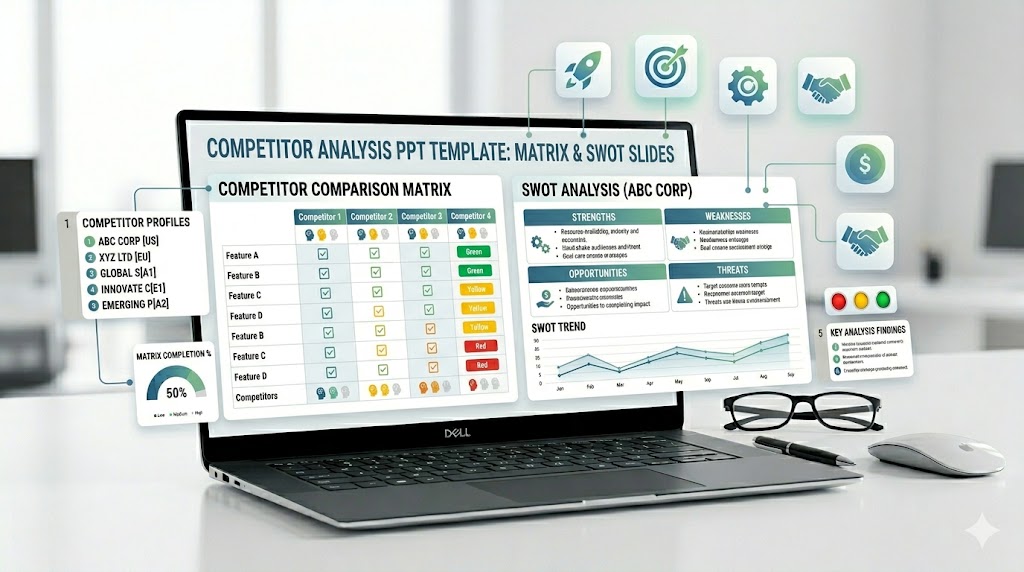
If you have supporting numbers or performance data, it can also help to present them in a format similar to a business report. That makes the information feel more structured and easier to trust.
A lot of pitch decks fail for the same reasons. They try to cover too much, use too many buzzwords, or explain the business in a way that sounds polished but says very little.
Some of the most common mistakes are:
Investors can tell when a deck was copied from a template and left untouched. A good template is a starting point, not the finished product.
A template can save a lot of time, but it should support the message, not replace it. The smartest way to use a pitch deck template is to start with a proven structure, then tailor the content so it feels specific to your business.
That matters even more for founders and startup teams, because a good deck should feel sharp and intentional, not generic. If you are preparing for fundraising, start with a template that already fits the logic of an investor conversation.
For ready-made options, explore the Startup & Pitch Decks category, where you can find templates designed for fundraising, investor updates, and startup storytelling.
If you expect to create presentations regularly, you can also check the pricing plan to see whether a subscription makes more sense for ongoing use.
Before you share your deck, make sure it checks these boxes:
If your deck answers those questions well, you are already ahead of most of the presentations investors see. Clarity usually does more than fancy design ever could.
If you are building your own pitch deck, start with a template that already follows investor logic, then shape the story around your business. The right structure saves time and helps you present a more professional case from the first slide.
If your presentation includes quarterly, monthly, or operating data, pairing it with a business report style format can make the numbers easier to read and trust. That works especially well for startup fundraising, board updates, and investor follow-ups.
For teams that create presentations often, a subscription can be the most efficient option over time. You can review the available pricing plan and choose the setup that fits your workflow best.
Use the curated startup pitch deck PowerPoint collection for investor-ready template options. If the story is still being developed, start with the slide-by-slide startup pitch guide; if the structure is ready, compare the recommended pitch deck templates.
A specific problem, credible market opportunity, clear solution, measurable traction, defensible business model, capable team, and direct funding ask earn attention when they form one coherent story.
Most first-meeting decks work best at roughly 10 to 15 main slides. Keep supporting financial, product, and market detail in an appendix.
Show the assumptions, revenue logic, major costs, cash needs, and milestones that matter to the raise. Put detailed models in a separate file or appendix.


Get full access to our entire collection of premium PPT templates for one simple price.
Forget about complex tools or technical skills—just choose, edit, and download.